Insights
— Platform
NAS and cloud-based visual asset handling.
NAS stores terabytes locally with RAID redundancy and no monthly fees. But when a client needs to review images, leave feedback, and approve a selection, the files leave the device. moodcase replaces the workflow gap above the storage layer. Many photographers use both.

Mathias Buschor
Co-Founder at moodcase
•
5
min read
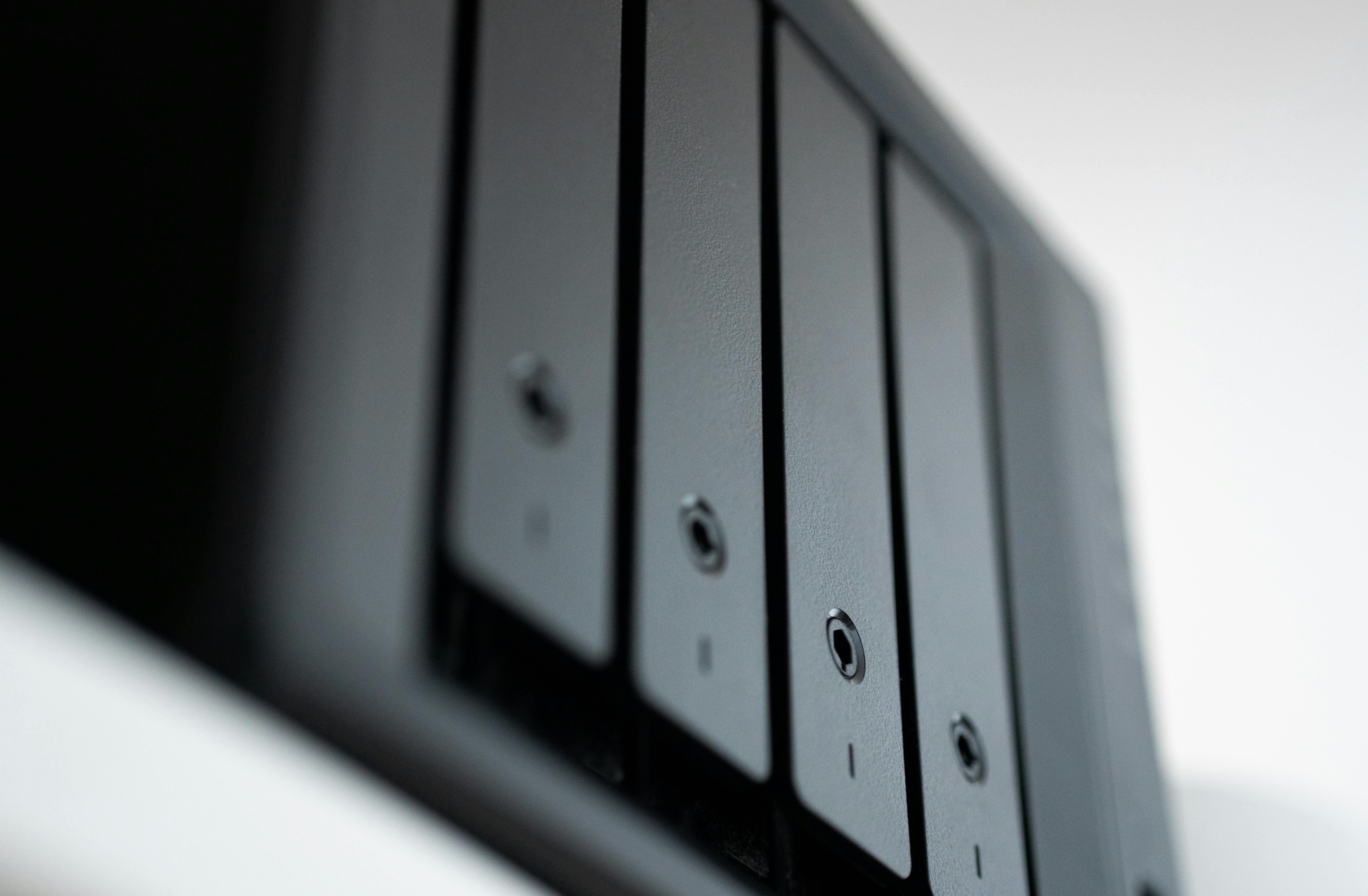
Photo:
Jakub Zerdzicki
What NAS handles well
NAS devices are built for local storage and network access. Their strengths are specific and real.
Storage scales with hardware. Add drives, expand the array. For photographers accumulating terabytes of RAW files, NAS provides predictable, one-time-cost storage without recurring fees. On a local network, reading and writing speeds are native. A photographer editing in Lightroom from a NAS-mounted drive works at full speed.
RAID configurations protect against drive failure. For archival, NAS is proven. The data stays on hardware the photographer owns and controls.
Where NAS stops covering the workflow
The limitations appear the moment the work leaves the local network.
Client review happens in a different system. NAS has no client-facing interface. When a photographer needs a client to browse, select, and comment on images, the files leave the NAS. They move to a gallery tool, a shared link, or email attachments.
Feedback does not connect to the file. A client comments on an image. That comment lives in an email or a messaging thread. On the NAS, the file sits unchanged. There is no annotation layer, no comment thread, no connection between what was said about the image and the image itself.
There is no workflow state. Which images are approved? Which are still in revision? The NAS has no concept of status. The photographer tracks decisions in memory, in messages, or in a spreadsheet that lives outside the file system.
Delivery is disconnected. Finals sit on the NAS. They need to reach the client. The photographer exports, uploads to a transfer service or gallery platform, and sends a link. The delivery is disconnected from the storage, from the review, and from the approval that preceded it.
Search is limited to the folder tree. Finding an image from a past project on a NAS means navigating directories or searching by filename. There is no metadata search, no keyword retrieval, no filtering by project type, client, workflow status, or visual content. Julian Konrad described the speed difference after moving his active workflow to moodcase: "When a client calls asking for an image, I can handle it instantly from the mobile app. Within minutes, they have the file."
What cloud-based visual asset handling adds
moodcase handles everything above the storage layer. Visual assets are organized in projects with collections, metadata, and workflow states. Client review happens inside the system: annotations on the image, threaded comments, explicit approval states. Delivery happens inside the project through branded galleries with controlled access.
The complement works in practice. NAS holds the archive: every RAW file, every project folder, every backup. moodcase holds the active workflow: every project that involves review, feedback, approval, and delivery.
This is not a migration. It is a layer.
Who stays with NAS alone, who adds structured handling
NAS alone fits the solo photographer whose workflow stays local. Edit on the network. Store on the device. Deliver through a separate tool.
Adding moodcase fits when the workflow involves other people. When clients need to review and respond on the image. When approval needs a visible record. When delivery should be branded and controlled. When finding an image from two years ago should take a search query, not a folder expedition.
The NAS keeps doing what it does well. moodcase handles everything the NAS was never designed to do.
NAS for storage. moodcase for the workflow above it.
See how the two work together.
Visual assets need more than a folder. See how moodcase handles the full workflow.
Try all features for 7 days. No credit card required.
Metadata
Search
Delivery
Photographers